
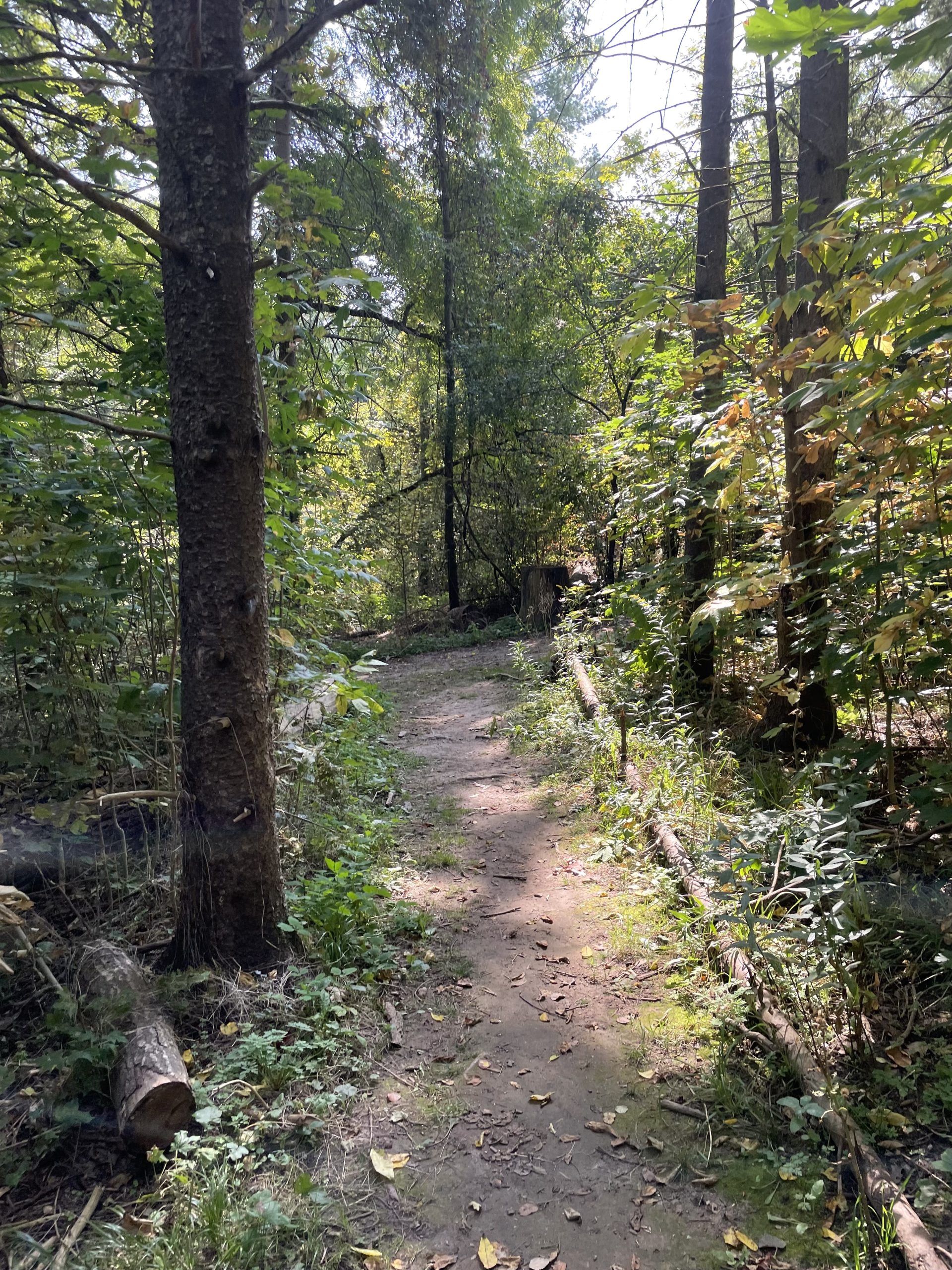
“Walk and Talk” Psychotherapy
In addition to my online therapy practice, between April and October I offer in-person “walk and talk” psychotherapy.
I work mostly in around Toronto. I occasionally work in the Kingston/Frontenac area.
“Walk and Talk” therapy takes your psychotherapy session outdoors and into motion.
with Julia Aplin, Registered Psychotherapist (Qualifying), (student art therapist working under supervision)
One on One session
50-60 minutes
$85 NO HST
Receipt issued for reimbursement to your health care insurance provider
MORE INFO BELOW
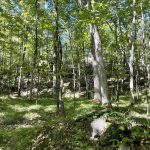
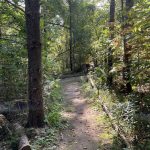
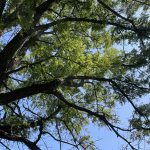
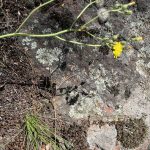
Why “Walk and Talk” Therapy?
- Physical and mental health benefits of being outdoors
- Physical and mental health benefits of movement
- Physical and mental health benefits of being around trees
- offers an opportunity for a side-by-side collaborative relationship with therapist
- Walking can be a form of embodied integration— involving physical movement through space (locomotion) and can be an important component of the thinking/feeling process.
- outdoor elements can become therapeutic metaphors. For example, a tree may become a metaphor for expansive growth. A stone may be a metaphor for endurance.
- The walk can be a metaphor for the mythological narrative of a quest—as we journey outward we also journey inward to our deeper self. We return to our starting point with the possibility of being transformed by the experience.
- the embodied experience of intentional, meaningful walking outside can build a relationship with the landscape, thus, offering the possibility of reciprocal healing with land and other beings.
What is “Walk and Talk” Therapy?
“Walk and talk” psychotherapy takes the therapy session outdoors and into motion.
Prior to meeting outdoors, we will meet once or twice online to determine if “walk and talk” therapy is a good fit for you. The initial online session is an opportunity to get to know each other, set goals, understand outdoor protocols, and decide on an appropriate location to meet.
The session can look very different depending on your goals, interests, and the location.
Here are two examples to give you an idea of two very different sessions and how a session might adapt to evolving needs.
Example Session One “Walk and Talk” Psychotherapy
I meet you at public transit stop close to a maintained trail. We review our outdoor protocols and practices. We begin to walk the trail lined with trees together. You lead with your own walking pace. As we briskly walk, we dialogue about what is coming up for you. As we walk, we take some time to listen to the sounds around us—bird song, wind, crickets, traffic. I keep track of our distance and speed to determine when to turn around. When it is time to turn back, we pause for a moment to reflect and observe nature around and within us. We dialogue about what this moment of observation might mean to you. As we walk back, we continue to dialogue together. When we arrive back at the meeting place, we offer a gratitude practice to the place. We arrange our next meeting and say good bye.
Example Session Two “Walk and Talk” therapy with a focus on Eco-Art
This example involves more meditative processes and more elements of art-making. A slower pace allows opportunities for outdoor elements to inspire a creative process of art-making.
I meet you at a bench by the parking lot in a park. We review our outdoor protocols and practices. We chat about what’s going on for you as we gently walk along the paved pathway into the park and sit on a bench by a tree. We spend sometime observing the tree and meditating. We spend sometime sketching the branches of the tree. ( I bring the art supplies.) As we sketch, we dialogue about the tree as a metaphor and what the metaphor may mean to you. We offer a gratitude practice to the tree. We continue our dialogue as we walk slowly back to the bench by the parking lot where we met. We arrange our next meeting and say good bye.
My outdoor qualifications include:
- Masters of Environmental Studies (York)
- Hike Leaders certificate ( Hike Ontario)
- Remote First Aid ( First Responders)
- Outdoor Education Qualification ( O.C.T.)
- Environmental Education certificate (York U)
- Eco-therapy certificate ( David Keys)
- Walk and Talk Therapy Course (Tariki Trust)
- Experience as an outdoor educator (TRCA)
- over 40 years of personal outdoor experience.
- you must be over 18 for walk and talk therapy
Some other Walk and Talk Therapy FAQ’s
What do we do about inclement weather?
We will discuss your comfort level regarding different weather (such as rain) and create a plan for how to navigate together. If the 24 hour forecast is unfavourable, we will pivot the session to be online or reschedule.
Do I need to wear anything special?
You will need to wear good walking shoes. No high heels or flip flops. Depending on the weather and our plan you may need extra gear such as a rain jacket, an umbrella or a hat and sunscreen.
Do I need to sign an extra waiver?
Yes. As well as the regular consent forms, you will need to sign two extra forms. The first is a Walk and Talk Therapy Consent Form that addresses consent, health risks and scope of practice specific to “walk and talk” therapy. The second is an Outdoor Protocols agreement that outlines appropriate practices such as interactions with plants and others.
What about outdoor confidentiality?
We will discuss together your level of comfort being in a public space and we will develop protocols for your particular situation and the location we choose. For example, we may decide to pause our conversation if we are passing by another person. Or you may choose to book your next session online in order to process sensitive information together.